

When you run a business that handles chemicals — whether you’re in manufacturing, aerospace, printing, automotive, biotech, or food production — it’s easy to assume you know exactly which wastes qualify as hazardous. Spent solvents, oils, acids, caustics, and sludges are obvious offenders. But what about everything else?
In California, where environmental regulations are among the strictest in the nation, many companies are surprised to learn that some of their most common, everyday waste streams quietly meet the definition of hazardous waste under Title 22. These “hidden” hazardous wastes can lead to costly violations, liability issues, and operational risk if mishandled, even unintentionally.
If your team isn’t trained to recognize the less-obvious hazards, you could be out of compliance without realizing it. Here’s what every California business should know.
Why Hidden Hazardous Wastes Are a Big Problem in California
California’s hazardous waste rules go beyond federal RCRA regulations. The state uses additional criteria — including acute toxicity, corrosivity, and aquatic toxicity — to classify waste. That means a material considered non-hazardous under federal rules may still be regulated in California.
Unknowingly mishandling toxic waste can result in:
- Administrative penalties
- Fines reaching thousands of dollars per day, per violation
- Cradle-to-grave liability, even after the waste leaves your facility
- Business interruptions and mandatory corrective actions
- Reputational and environmental damage
Because so many waste streams fall into a gray area, it’s important for businesses to understand what qualifies as hazardous — and how to manage it correctly.
Common Toxic Wastes Hiding in Plain Sight
Below are some of the most frequently overlooked hazardous wastes in California. These aren’t the obvious drums of solvent or spent chemical blends. You might even be throwing some of these into your regular trash.
Used Rags, Wipes, and PPE Contaminated With Chemicals
Even if a rag or glove is dry, contamination from solvents, paints, adhesives, oils, or cleaning agents can make it hazardous. California doesn’t follow the federal “solvent-contaminated wipes rule,” so businesses must treat many shop towels and wipes as hazardous waste.
Contaminated items often contain residues that are:
- Ignitable
- Toxic
- Reactively hazardous
- Aquatically toxic
If your team tosses these into the dumpster, you may be violating state disposal rules.
Aerosol Cans — Even “Empty” Ones
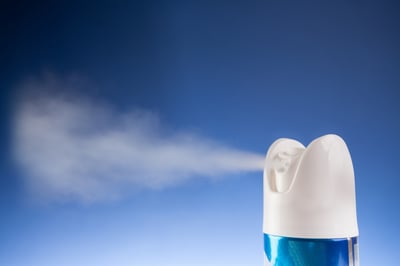
Aerosol cans are one of the most commonly mismanaged waste streams.
In California, aerosol cans must be treated as hazardous unless:
- They are completely empty, and
- They are punctured and drained using an approved device, and
- The device is used by trained personnel following proper safety procedures
Many businesses don’t realize that cans with even a small amount of propellant left are considered hazardous waste.
Lab Chemicals and Small-Quantity Containers
Facilities with testing labs, quality-control labs, or R&D work often generate:
- Expired reagents
- Bench-top chemicals
- Corrosives
- Oxidizers
- Toxins
- Unused product samples
In busy departments, these lab chemicals often pile up until someone decides to “clean out the cabinet.” If that person isn’t trained in hazardous waste management, items may end up in general trash or poured down the drain — both of which are illegal.
Waste Adhesives, Sealants & Epoxies
Products used in manufacturing, construction, aerospace, and assembly can become hazardous when discarded. Leftover epoxy, spent resin, or off-spec product often meets toxicity or ignitability criteria.
These wastes may solidify, but their hazardous characteristics don’t disappear. Businesses frequently overlook them because they’re common, “everyday” materials — not industrial chemicals.
Floor Sweepings and Spill Residues
If your janitorial team sweeps up:
- Powder coatings
- Metal shavings
- Solvent residues
- Chemical powders
- Paint dust
- Acid neutralizing agents
- Contaminated absorbents
…the waste can easily classify as hazardous. Many facilities forget that cleaning materials inherit the hazards of whatever they contact.
Old or Off-Spec Inventory
California’s hazardous waste laws apply even if a product is unused. These frequently qualify as hazardous waste:
- Expired chemicals
- Damaged containers
- Returned merchandise
- Discontinued product lines
- Old cleaning agents or coatings
- Unlabeled containers
If the material has no intended use and your business is discarding it, it may need to be managed as hazardous.
Universal Waste You Might Be Mishandling
Universal waste rules make some hazardous waste streams easier to manage, but they still require proper handling. Businesses in California often mismanage:
- Batteries (lithium, lead-acid, nickel-cadmium, etc.)
- Fluorescent tubes and HID lamps
- Electronics and CRT equipment
- Mercury-containing devices
Throwing any of these into municipal trash is prohibited and can result in large penalties.
Why Businesses Often Miss These Hazards
If your business handles chemicals regularly, your team is likely trained on the obvious hazards. Where most companies fall behind is in the “borderline” or “everyday” categories. Hidden hazardous wastes slip through the cracks because:
- Employees assume small quantities don’t matter
- Staff think “solid” means non-hazardous
- Departments use products that aren’t on the EHS team’s radar
- Waste generators lack chemical knowledge
- Turnover leads to inconsistent training
- Managers assume California rules match federal ones
- Some materials look harmless
In California, visual inspection is never enough. A waste must be evaluated using Safety Data Sheets, knowledge of process chemistry, or laboratory testing.
How to Know If Your Waste Is Hazardous
If you’re unsure, you’re not alone. Many California companies rely on hazardous waste professionals to classify their waste streams. A reputable disposal partner can:
- Conduct waste profiling
- Review SDS information
- Identify overlooked hazardous wastes
- Perform required lab testing
- Assist with DOT classification for shipping
- Provide staff training
- Offer containerization and labeling guidance
Trying to guess whether something is hazardous can lead to unintentional violation, so it’s worth having an expert review your materials.
Tips to Stay Compliant and Avoid Costly Mistakes
- Audit Your Waste Streams Annually
Processes change. New products are introduced. Departments grow. An annual audit helps identify new wastes before they become a problem.
- Train Employees Regularly
New hires and temporary workers are especially likely to mismanage “hidden” hazardous waste. Ongoing training ensures everyone understands what belongs in hazardous waste containers.
- Never Dispose of Chemical Waste Down the Drain
Even small quantities—like a cup of acetone or leftover adhesive—can violate local POTW discharge rules and cause equipment issues.
- Keep Containers Labeled and Closed
Unlabeled “mystery chemicals” are a common violation. They also increase disposal costs because they must be lab-packed.
- Partner With a Licensed Hazardous Waste Company
A qualified disposal provider helps you:
- Identify hidden hazardous wastes
- Ensure proper containerization
- Manage manifests
- Arrange pickup and transportation
- Reduce risk and liability
Having a consistent partner helps ensure nothing slips through the cracks.
Protect Your Business From Hidden Hazards
California doesn’t expect businesses to be perfect, but it does expect them to manage their waste safely, legally, and with full awareness of the hazards. Hidden toxic wastes are one of the most common causes of violations because companies simply don’t recognize them for what they are.
With the right knowledge and support, your business can stay compliant, protect your employees, and reduce environmental impact, while avoiding fines and unnecessary risk.
If you’d like help reviewing your waste streams or identifying potential problem areas, a licensed hazardous waste disposal company can guide you through the process and ensure everything is handled correctly from start to finish.

Comment