

In industrial and manufacturing settings, the use of chemicals is unavoidable. Among these chemicals, some are particularly hazardous due to their corrosive nature.
Corrosive chemicals can destroy or irreversibly damage other substances they come in contact with, including human tissue, metals and other materials. Understanding the types of corrosive chemicals, their dangers, and the importance of proper disposal is crucial for workplace safety and regulatory compliance, especially in states like California where environmental regulations are stringent.
What Makes a Chemical Corrosive?
A chemical is considered corrosive when it can cause severe damage upon contact. This damage often results from chemical reactions that degrade or destroy materials. Corrosive chemicals are classified mainly into acids and bases:
- Strong Acids: These include sulfuric acid, hydrochloric acid and nitric acid. Strong acids are highly reactive and can quickly burn skin, corrode metals and generate harmful fumes.
- Strong Bases (Alkalis): Examples include sodium hydroxide and potassium hydroxide. While less immediately reactive than strong acids, these compounds can also burn skin and eyes, and they react violently with certain metals or other chemicals.
- Oxidizers with Corrosive Properties: Chemicals like hydrogen peroxide in high concentrations act as oxidizers and can also have corrosive effects on materials and tissue.
The corrosive nature of these chemicals means that even small spills can pose serious hazards. For example, acid or base exposure to skin can result in chemical burns, scarring or blindness if it contacts the eyes. On surfaces, corrosive chemicals can weaken structural materials, damage equipment and compromise containers, potentially leading to leaks and spills.
Dangers of Corrosive Chemicals
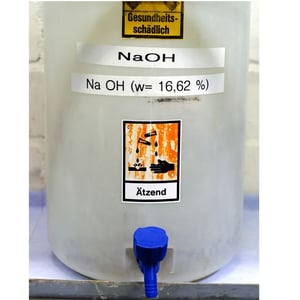
The dangers associated with corrosive chemicals extend beyond immediate burns or tissue damage. Several factors make them particularly risky in industrial settings:
- Chemical Reactions: Corrosive substances can react violently with other chemicals, water or even metals. For instance, sodium hydroxide reacts with aluminum to produce hydrogen gas, which is highly flammable and can ignite explosively in the right conditions.
- Fume and Gas Hazards: Many corrosive chemicals release dangerous gases when they react with water or other substances. Chlorine gas, released from hydrochloric acid reactions, is toxic when inhaled and can cause respiratory distress.
- Environmental Damage: Improper disposal of corrosive chemicals can damage soil and water sources, killing plants and wildlife, and contaminating drinking water. In California, regulations under the Department of Toxic Substances Control (DTSC) strictly govern the handling and disposal of hazardous chemicals to prevent environmental harm.
- Explosion Risk: Certain combinations of chemicals or improper storage can lead to explosions. Strong oxidizers, when mixed with organic material or flammable substances, can ignite spontaneously. Even inert-seeming chemicals, if stored in a sealed container that allows pressure to build, can rupture violently.
Because of these risks, even small mistakes in handling, storing or disposing of corrosive chemicals can have severe consequences for workers, facilities, and surrounding communities.
Regulatory Responsibility in California
In California, the law takes hazardous waste management seriously. Businesses that generate, store, or dispose of corrosive chemicals are subject to the federal Resource Conservation and Recovery Act (RCRA) and California’s hazardous waste regulations.
Under these regulations, companies are considered the “generator” of the waste until it is properly disposed of by a licensed hazardous waste transporter or facility. This means that liability for accidents, environmental contamination or improper disposal rests with the company that originally handled the chemical.
Failure to comply can result in hefty fines, legal action and reputational damage. California enforces these regulations rigorously to protect both the environment and public safety.
Why Proper Disposal Matters
.png?width=400&height=335&name=Subheading%20(1).png)
Proper disposal of corrosive chemicals is also a safety imperative. Licensed hazardous waste disposal companies offer expertise and infrastructure to manage these substances safely, especially in the following areas:
- Safe Handling and Storage: Professional disposal companies understand the compatibility of various chemicals, ensuring that acids, bases and oxidizers are stored and transported safely to prevent reactions.
- Neutralization and Treatment: Some corrosive chemicals require neutralization or chemical treatment before disposal. Disposal professionals have the equipment and knowledge to treat these substances safely.
- Legal Compliance: Hazardous waste disposal companies are licensed and regulated, keeping accurate records, manifests, and documentation required by federal and California law. This protects your business from legal liability.
- Environmental Protection: Proper disposal prevents corrosive chemicals from contaminating soil, water, and air. This not only protects ecosystems but also safeguards your community from exposure risks.
Attempting to dispose of corrosive chemicals yourself, even with the best intentions, can be extremely dangerous. Pouring acids or bases down drains, mixing chemicals to “neutralize” them, or discarding them in regular trash can trigger chemical reactions, fires, explosions or environmental contamination. In addition, improper disposal may lead to criminal and civil penalties under California law.
Best Practices for Businesses
To minimize risk and ensure compliance, businesses that handle corrosive chemicals should follow these best practices:
- Inventory and Labeling: Maintain an up-to-date inventory of all corrosive chemicals and ensure containers are properly labeled. Clear identification helps prevent accidental mixing and facilitates safe handling.
- Training and Safety Protocols: Employees who work with corrosive chemicals should receive thorough training in proper handling, spill response and emergency procedures.
- Secondary Containment: Store corrosive chemicals in secondary containment trays to catch leaks or spills and prevent contact with other materials.
- Work with Licensed Disposal Companies: Partner with a licensed hazardous waste disposal company that can handle the full lifecycle of corrosive chemicals, from pick-up to final disposal, ensuring compliance and safety.
- Documentation: Keep detailed records of all hazardous waste generation, transport, and disposal. Proper documentation is crucial for regulatory inspections and audits.
Corrosive chemicals are an essential part of many industrial and manufacturing processes, but they carry significant risks if handled or disposed of improperly. From chemical burns and respiratory hazards to environmental damage and explosive reactions, the dangers are real and present.
In California, businesses are legally responsible for these substances until they are properly disposed of, making it critical to work with a licensed hazardous waste disposal company.
By understanding the types of corrosive chemicals, the risks they pose, and following best practices for disposal, companies can protect their employees, the community and the environment while remaining fully compliant with state and federal regulations.

Comment